


Back Pain Treatment
Near Torrance & Pasadena, CA
For People Who Want Real Answers About Their Pain
Schedule Your Back Pain EvaluationBack Pain Rarely Starts Where You Feel It
point where the body finally signals that something in the system is no longer working efficiently.
Movement is meant to be coordinated, distributed, and adaptive. When force stops transferring well through the body, certain regions begin absorbing more than they were designed to handle. Over time, the nervous system responds with tension, guarding, and eventually pain.
At i.Athlete Physio, back pain is approached as a system issue involving coordination, control, and load tolerance rather than a single injured structure. From our clinics near Torrance and Pasadena, CA, we work with individuals who want to understand what their body is doing and why pain developed in the first place.
Back Pain Changes How the Body Operates
Back pain is not just a physical sensation. It alters behavior, movement strategy, and nervous system response.
You may notice:
• Movement becoming cautious or restricted
• Muscles staying tight long after activity ends
• Effort feeling higher for simple tasks
• Certain positions becoming harder to tolerate
• The body reacting faster than your mind expects
Pain is not simply tissue irritation. It is often the nervous system protecting against perceived threat or overload. Understanding this distinction changes how recovery unfolds.
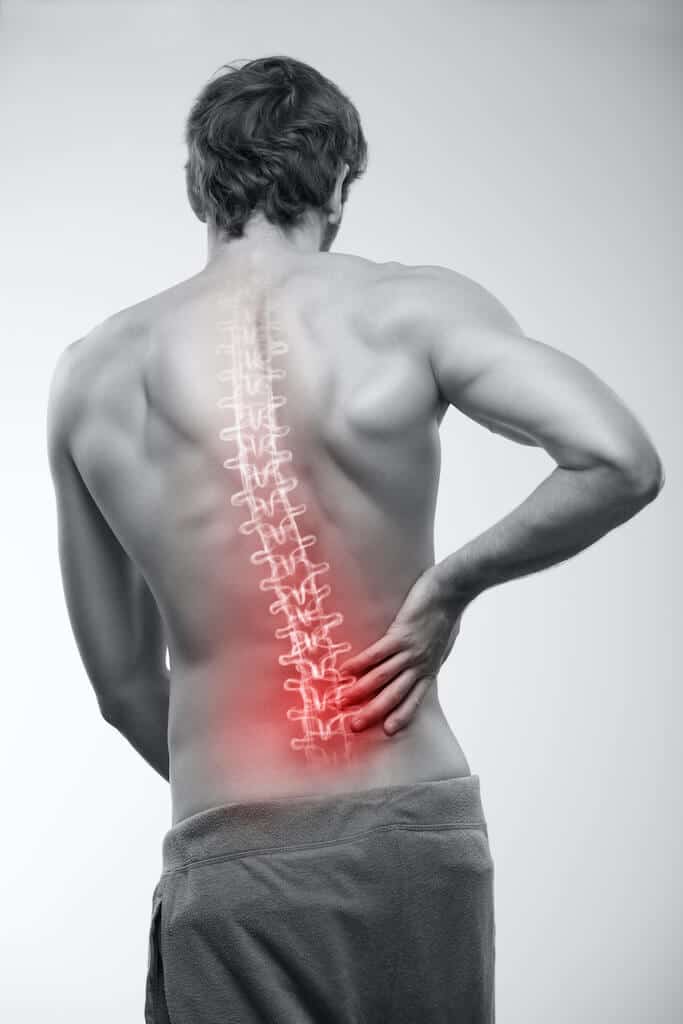

How Back Pain Presents
Back pain varies widely between individuals. Common experiences include:
• Discomfort during prolonged sitting or standing
• Stiffness that temporarily improves but returns
• Pain with bending, lifting, or transitions
• Restricted rotation or extension
• Symptoms that shift across the spine
• A feeling of instability, tightness, or fatigue
These patterns rarely point to one structure. More often, they reflect a breakdown in how the body distributes movement and load.
Why Back Pain Becomes Recurrent
When back pain repeats, it is usually because the body adapted around a problem instead of resolving it.
• Common contributors include:
• Poor coordination between mobility and stability
• Uneven load distribution through the body
• Protective movement strategies that never fully reset
• Repeated stress exceeding tissue capacity
• Loss of movement variability and adaptability
The body is resilient, but only when the system works together. When it does not, symptoms tend to return.
.jpg)
Understanding the Different Types of BACK Pain
Back pain is not one single condition. It can show up in different regions of the spine and for different reasons. Understanding where your symptoms come from is the first step toward fixing them.
Lower Back Pain
The most common form of back pain. Often related to bending, lifting, sitting, and load tolerance. May involve stiffness, disc irritation, or nerve symptoms such as sciatica.
Sciatica and Nerve Pain
Pain, tingling, or numbness that travels into the glute or down the leg. Often related to nerve irritation, disc involvement, or movement patterns that overload the lower spine.
Upper and Mid-Back Pain
Typically felt between the shoulder blades or across the mid spine. Often associated with mobility restriction, rotational stiffness, or prolonged static positions.
Scoliosis and Spinal Asymmetry
In some individuals, spinal curvature or asymmetry influences how force moves through the body. Treatment focuses on improving balance, stability, and long-term function.
Our Philosophy on Treating BACk Pain
At i.Athlete Physio, back pain is treated as a problem of coordination, movement quality, and load tolerance rather than structural fragility.
Your one-on-one evaluation with a Doctor of Physical Therapy examines:
• How your body organizes movement
• How load is transferred through the spine and extremities
• Where compensation or guarding is occurring
• How the nervous system is influencing tension and control
Treatment focuses on restoring adaptability and resilience. Your plan may include:
• Manual therapy to reduce protective tension and restore motion
• Strength and control training matched to your movement demands
• Retraining how your body distributes force
• Coaching that improves coordination and movement confidence
The goal is not avoidance. It is capacity.
Who This Model Is Built For
This approach serves individuals who want clarity and long-term change.
We commonly work with:
- Active adults seeking reliable movement
- Athletes training around recurring back pain
- Professionals managing prolonged sitting or travel
- Individuals frustrated by repeated flare-ups
- People who want to understand the cause of their pain rather than manage symptoms
If your goal is control, confidence, and durability, this model fits.
What Your First Visit Will Show You
There is no template and no guesswork.
Your first visit includes:
- A detailed discussion of your history and movement demands
- A comprehensive movement and load assessment
- Clear explanation of what is driving symptoms
- A structured plan for restoring function
- A structured plan for restoring function
Clarity often marks the turning point in recovery.
You should leave knowing:
• Why symptoms developed
• What needs to change
• How progress will be measured

Clarity often marks the turning point in recovery.