How to Choose the Best Physical Therapist in Torrance: 7 Factors Athletes Should Consider

Written by
Noolee Kim, PT, DPT, OCS
Published on
April 17, 2026
Sport
Finding a physical therapist shouldn’t be complicated.
But for athletes and active adults, it often is.
You’re not just looking to feel better. You want to run again without hesitation. Lift without worrying your shoulder will flare up. Play a full round of golf without your back tightening on the back nine.
And when you start researching physical therapy options in Torrance, you quickly realize that clinics approach care very differently.
Some focus on symptom relief. Others emphasize insurance-based volume. A smaller number specialize in helping active individuals recover fully and move at a high level again.
Knowing the difference can make a major impact on both your recovery and your long-term performance.
If you’re evaluating where to go for care, here are seven factors worth considering.
1. Look Beyond Basic Credentials
All licensed physical therapists complete extensive education and clinical training. But many clinicians continue developing their expertise long after graduation.
For athletes and active adults, that ongoing education can matter.
Many therapists pursue additional training in areas such as:
- sports rehabilitation
- manual therapy techniques
- biomechanics and movement assessment
- strength and conditioning principles
- return-to-sport progression
A therapist who invests in continuing education is often better equipped to understand the physical demands of training, competition, and high-level movement.
2. Experience With Active Populations
Not every clinic regularly works with athletes.
Someone who spends most of their day treating post-surgical or general orthopedic patients may approach injuries differently than a therapist who regularly works with runners, golfers, lifters, or endurance athletes.
Experience with active individuals often means a deeper understanding of:
- sport-specific movement demands
- common injury patterns
- training volume and load management
- realistic timelines for returning to activity
For example, a runner with knee pain may benefit from gait analysis and single-leg strength work, while a golfer struggling with back tightness might need rotational mobility and sequencing improvements.
When your therapist understands your activity, treatment becomes far more relevant.
3. True One-on-One Care
One of the biggest differences between clinics is how much individual attention patients receive.
In some environments, therapists manage multiple patients at once while exercises are supervised by assistants. While this model can work for certain situations, athletes often benefit from more direct involvement from their clinician.
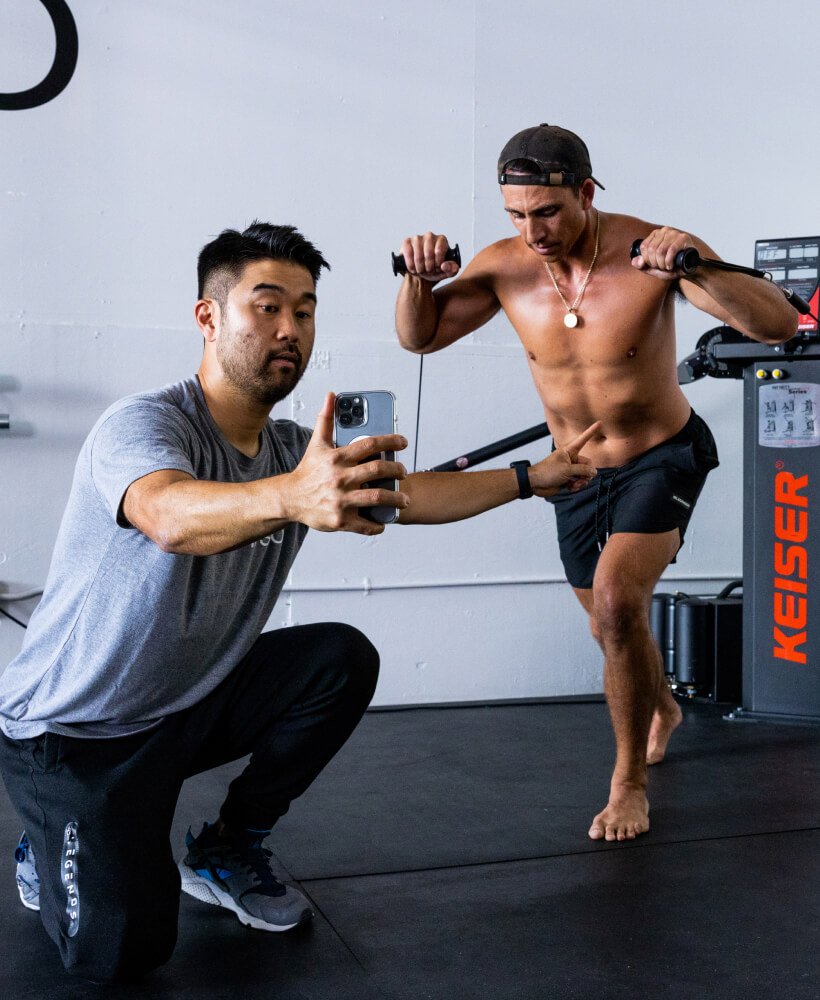
Working one-on-one with a physical therapist allows for:
- detailed movement coaching
- faster adjustments to treatment
- deeper understanding of biomechanics
- individualized progressions as your body improves
For people trying to return to demanding activities, this level of attention can make a meaningful difference.
4. A Thorough Movement Assessment
Pain rarely starts where it shows up.
A knee injury may stem from limited hip strength.
Shoulder irritation may relate to poor scapular control.
Back pain often connects to how the hips and trunk manage load.
Clinics that prioritize movement analysis take time to understand how your body actually functions during real tasks.
A comprehensive evaluation may include:
- mobility testing
- strength and stability analysis
- single-leg control assessment
- running or gait evaluation
- sport-specific movement screening
This broader perspective often reveals the underlying contributors to recurring injuries.
5. A Philosophy That Goes Beyond Pain Relief
Pain relief is important. But for active individuals, it’s rarely the end goal.
Most people seeking care want to return to the activities they enjoy, whether that’s running, golfing, lifting, cycling, or simply staying active without limitations.
Clinics that focus only on symptoms may provide temporary improvement. A more comprehensive approach looks at how to build durability over time.
That often includes:
- restoring mobility where it’s limited
- building strength and stability
- improving movement efficiency
- managing training load and recovery
The goal isn’t just to quiet symptoms. It’s to help the body handle the demands of activity again.
6. Real Experiences From Other Patients
Reviews and testimonials can provide valuable insight into what it’s actually like to work with a clinic.
Look for patterns in patient feedback. Do people mention individualized care? Clear explanations? Successful return to activity?
Feedback from other active individuals can be especially helpful when evaluating whether a clinic understands the demands of an athletic lifestyle.
A strong track record of results often speaks louder than marketing.
7. Practical Factors Like Location and Scheduling
Even the best rehabilitation program depends on consistency.
If a clinic is difficult to access or appointments are hard to schedule, it becomes much harder to stick with the plan long enough to see meaningful results.
Choosing a practice located in or near Torrance can make regular visits more manageable, especially for those balancing training schedules, work commitments, and family life.
Small practical details often influence long-term success more than people expect.
Making Your Choice With Confidence
Choosing a physical therapist ultimately comes down to finding someone who understands your goals.
For athletes and active adults, recovery is rarely about simply getting out of pain. It’s about returning to the activities that make you feel like yourself again.
Before committing to a clinic, consider asking a few questions:
- How do you evaluate movement and identify root causes?
- What does a typical session look like?
- Do you regularly work with athletes or active adults?
- How do you approach returning to sport or training?
The answers often reveal a lot about a clinic’s philosophy.
Next Steps
The right physical therapist won’t just help you get out of pain. They’ll help you understand your body, rebuild strength, and move with confidence again.
If you’re an athlete or active adult in Torrance looking for that kind of care, i.Athlete Physio offers complimentary consultations to help you explore the right path forward.
Share this post
Join 2,000+ subscribers
Stay in the loop with everything you need to know.8
We care about your data in our privacy policy
Other Resources